Most Profitable Items to Add to Your Restaurant Menu
Running a restaurant is a margin game. You can have a full dining room and still feel broke if your menu is built around high-cost ingredients, slow prep, unpredictable waste, and items that don’t travel well.
The good news: you don’t need a complete concept change to improve profit. You need profitable menu items that are engineered for speed, consistency, perceived value, and repeat orders—on-premise and off-premise.
In this guide, you’ll learn which profitable menu items typically produce the best margins, why they work, and how to add them without hurting quality.
You’ll also get practical pricing and menu-engineering tactics, plus future-forward predictions based on where dining behavior is trending—value-conscious guests, faster service expectations, smaller portions for wellness-focused diners, and continued strength in takeout and delivery.
What Makes a Menu Item “Profitable” in Real Life
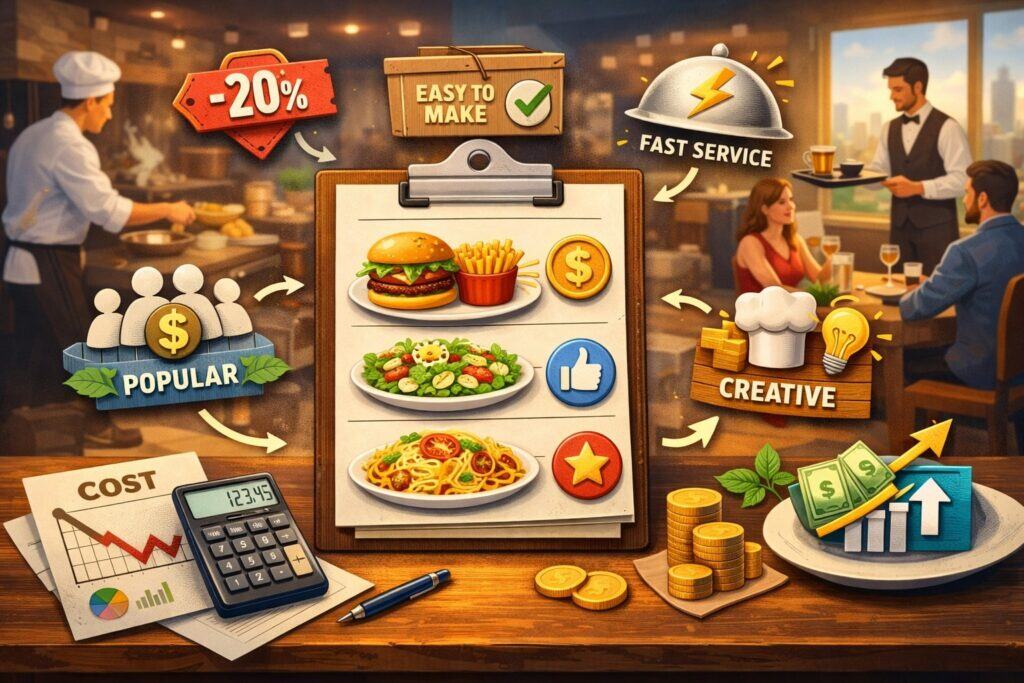
A truly profitable dish is not just “low food cost.” Food cost is only one piece. The most profitable menu items win because they combine strong contribution margin (price minus plate cost), fast throughput, low waste, and high perceived value. The item should be easy to execute during a rush, resilient to staff turnover, and flexible when supplier prices change.
Start with a simple lens: cost, labor, and risk. Cost includes raw ingredients, trim loss, oil absorption, and packaging for off-premise. Labor includes prep steps, station complexity, and how much attention the item needs during service.
Risk includes spoilage, inconsistent portions, and price volatility (especially proteins). When an item is cheap but difficult, it’s not profitable. When an item is simple but perceived as premium, it’s often a winner.
This is where menu engineering helps. The menu engineering matrix (Stars, Puzzles, Plowhorses, Dogs) evaluates items by popularity and profitability so you can decide what to feature, reprice, rework, or remove.
The result is a menu where your best-selling dishes are also your best money-makers—exactly what you want when customers are more value-conscious and competition is intense.
Contribution Margin Beats Food Cost Percentage Every Time
Many operators chase low food cost percentages and accidentally cap their profits. A $10 item with 25% food cost has $7.50 gross profit. A $28 item with 35% food cost has $18.20 gross profit. The second item is usually the better profitable menu item—even though its food cost percentage is higher.
Contribution margin also protects you from discounting and delivery fees. If you run promos, loyalty perks, or third-party delivery, you need enough margin to survive the “tax” those channels impose.
That’s why many modern profitable menu items lean on carbs + sauces + controlled protein (think bowls, pastas, flatbreads) and beverages (huge upside, low labor per dollar). At the same time, guests increasingly want speed and convenience, which favors items that are quick to prep and consistent to pack.
When you build around contribution margin, you naturally start adding the kinds of profitable menu items that scale: items with easy portioning, minimal waste, and optional upgrades.
High-Margin Beverages That Quietly Outperform Food

If you want an immediate profit lift, beverages are often the fastest lever. Many restaurants under-sell drinks because they focus on food, yet beverages can deliver strong margins with minimal ticket-time.
The most reliable profitable menu items in beverages are house drinks: iced teas, lemonades, flavored sodas, specialty coffees, and crafted nonalcoholic options.
Nonalcoholic drinks are especially interesting right now. Operators are leaning into “spirit-free” cocktails and other wellness-forward beverages as customer preferences shift.
These drinks allow premium pricing because they feel curated and intentional, not like an afterthought. They also pair well with smaller plates and snackable menu formats that are trending.
To maximize profit, design beverages like a product line:
- A core bestseller (signature lemonade, house iced tea)
- Seasonal rotation (fruit infusions, limited-time flavors)
- Premium upsell (cold brew, nitro-style, crafted mocktail)
Make refills strategic: free refills for low-cost drinks can boost guest satisfaction, while premium crafted drinks stay one-and-done. Beverages are also perfect for takeout because they’re easy add-ons—especially if you feature them at checkout and bundle them with profitable menu items like bowls, sandwiches, and combo meals.
Profitable Nonalcoholic “Mocktail” Builds for Modern Guests
A profitable mocktail is built like a cocktail: a base, an acid, a sweetener, and a top note. You can use tea concentrates, fruit purees, citrus, ginger beer, and herb syrups to create high-perceived-value drinks that cost little per serving.
This matters because diners are increasingly wellness-minded, and operators are responding with options like nonalcoholic drinks and less processed choices.
You can meet that demand and improve profitability at the same time. Add a short mocktail list (3–5 drinks), name them like signature cocktails, and serve them in the same glassware. The perceived value jumps, and so does the willingness to pay.
Operationally, keep it fast: pre-batch syrups, use measured pour spouts, and standardize garnishes. Then train staff to suggest: “Want to try our signature citrus spritz with your order?” This is one of the simplest profitable menu items strategies that also improves guest experience.
Appetizers and Shareables That Print Margin
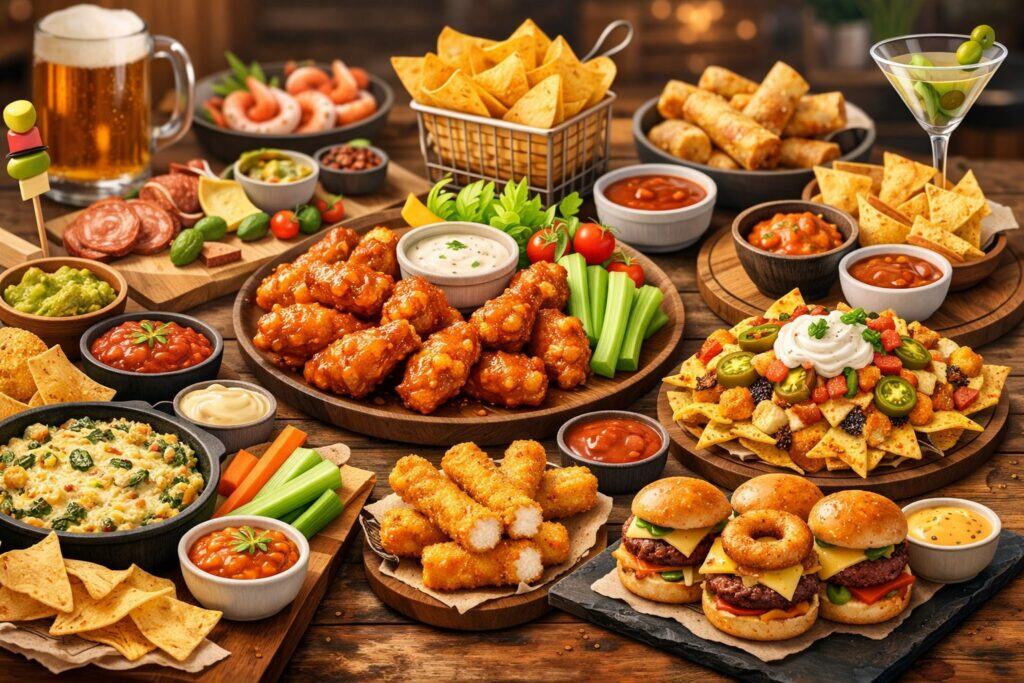
Appetizers are classic profitable menu items because they’re often fried, baked, or assembled, and they rely on affordable ingredients: potatoes, flour, cheese, sauces, and controlled portions of protein. Guests also expect appetizers to be priced with a healthy markup because they’re buying the experience of sharing.
Strong performers include:
- Loaded fries or wedges
- Mozzarella sticks, fried pickles, onion rings
- Spinach-artichoke dip, queso, hummus plates
- Wings (with careful cost control)
- Shareable flatbread bites or sliders
The key is to engineer appetizers for speed and consistency. Many of the best profitable menu items here use the same base ingredients as your entrees. Example: the same chicken used in a sandwich becomes a tender basket.
The same shredded cheese becomes queso. The same marinara becomes dipping sauce. This reduces inventory, shrink, and complexity.
Appetizers also help your bar and beverage program because they increase dwell time and encourage second drinks. And with more guests looking for value, a shareable starter can feel like a “deal” while still delivering strong contribution margin.
Build a “Snackable” Section to Match 2025 Menu Behavior
Snackable items are a major menu force, and they align perfectly with profitability. A snackable section isn’t just smaller portions—it’s a deliberate set of profitable menu items that can be ordered quickly, shared, or combined into a full meal.
Design it like this:
- 2 fried crunch items
- 2 dip-and-scoop items
- 1 protein-forward bite
- 1 vegetarian or plant-forward option
Then offer a “Pick Any 3” combo. Combos are powerful profitable menu items because they create perceived value while letting you control food cost through portion size. This format also works well for takeout, which remains central to restaurant traffic and customer habits.
Flatbreads and Pizzas: The Margin Workhorses
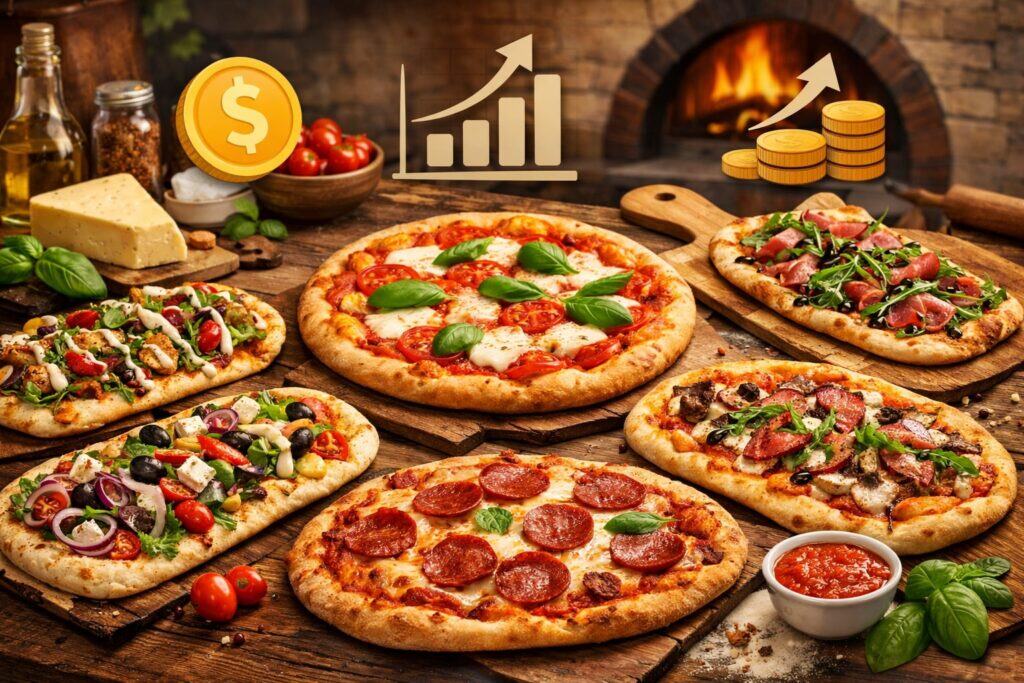
Pizza and flatbreads are some of the most dependable profitable menu items in almost any concept. Why? The math is friendly: dough is cheap, sauce is cheap, cheese is predictable when portioned correctly, and toppings are scalable. Even better, pizza travels well, holds heat, and remains satisfying after delivery—making it a natural fit for off-premise demand.
To maximize profit:
- Standardize dough weights and sauce ladles
- Use a cheese portion chart (over-cheesing kills margin)
- Offer premium toppings as paid add-ons
- Run a seasonal limited-time pizza to create urgency
Flatbreads work especially well in full-service restaurants because they can be positioned as an appetizer or a lighter meal. That flexibility makes them more likely to sell across dayparts.
If your kitchen can handle one dough program, you can produce multiple profitable menu items: garlic knots, dessert pizza, calzones, lunch slices, and kids options—without adding much complexity.
Because many operators are watching costs closely and seeking efficient, value-driven menus, these items remain a strong strategic choice.
Create Premium Perception With Simple “Upgrade Paths”
The biggest profit on pizza often comes from upgrades:
- “Add burrata”
- “Add hot honey drizzle”
- “Add double protein”
- “Gluten-friendly crust (if operationally safe)”
- “Stuffed crust as a limited-time special”
These upgrades turn a basic profitable menu item into a premium experience. You’re not reinventing your kitchen—just improving perceived value. This matters more than ever because diners want both affordability and quality.
A well-designed pizza program can deliver both: a base price that feels fair and premium add-ons that boost contribution margin.
Burgers, Sandwiches, and Wraps That Scale
Burgers and sandwiches are profitable menu items because they are expected to carry margin and they are easy to bundle. Guests accept a higher price when the sandwich looks big, comes with fries, and has a signature sauce. You can keep plate cost controlled by:
- Using consistent patty weights (smash burgers reduce meat cost while increasing craveability)
- Leveraging sauces and textures (slaw, pickles, crispy onions)
- Offering paid protein upgrades (double patty, chicken add-on, bacon)
Wraps are often even more profitable menu items because they use less bread volume than a big bun and allow dense filling while still feeling “healthy.” That positioning matters as more guests seek lighter, wellness-oriented options.
Operationally, sandwiches are fast, especially if you build a shared mise en place: one slaw, one pickled veg, one aioli base with flavor variations. With a smart build system, your line produces consistent profitable menu items even on hectic shifts.
Bundle Meals for Value-Conscious Diners Without Killing Margin
Value pressure is real. Many operators report diners are more value-conscious, pushing restaurants to create pricing and portion strategies that still protect margins. Bundles can solve this.
A profitable bundle formula:
- One core item (burger/sandwich)
- One low-cost side (fries, chips, slaw)
- One beverage (high margin)
- Optional dessert add-on
This bundle feels like a deal while keeping contribution margin healthy. It also matches the convenience-driven habits shaping takeout and quick ordering. When designed well, bundles turn your everyday profitable menu items into reliable repeat orders.
Bowls and Salads With Protein Upsells
Bowls and salads have become modern profitable menu items because they’re modular. You can build a base of grains, greens, roasted vegetables, and sauces—then charge for protein and premium toppings. This structure is perfect for controlling costs while offering personalization, which is increasingly important.
A bowl program can cover multiple trends at once:
- Plant-forward options
- High-quality proteins
- Less processed ingredients
- Smaller portion availability for guests who want it
From a profit standpoint, bowls work because they minimize waste. You can repurpose prep across items, hold ingredients safely, and adjust portions quickly. They also travel well and reheat well, which matters with continued takeout and delivery demand.
Your best strategy is to limit choices but make them feel expansive: 2 bases, 4 proteins, 6 toppings, 3 sauces. The menu looks customizable, but your kitchen stays efficient—exactly what profitable menu items should do.
Add a “Small Portion” Option Without Discounting Your Brand
Portion strategy is evolving. Industry trend materials highlight that some guests—especially those influenced by GLP-1 medications—are seeking smaller portions and lighter dishes. You can respond profitably by offering a “light” size that uses the same mise en place, slightly reduced portions, and a price that still protects margin.
Do not price it like a half-off. Price it like a curated experience: “Light Bowl” or “Petite Plate.” Keep the presentation premium. This becomes a new category of profitable menu items: high satisfaction, lower cost, and broad appeal for lunch and early dinners.
Pasta and Rice Dishes: Comfort Food With Predictable Costs
Pasta and rice bowls are time-tested profitable menu items because the base is inexpensive and filling. Guests perceive these dishes as hearty and comforting, which supports strong pricing—even when plate cost is controlled. Your margin comes from sauces, toppings, and portion discipline.
Profit-friendly pasta frameworks:
- Cream sauce + chicken + seasonal veg
- Tomato sauce + meatballs (portion controlled)
- Garlic oil + shrimp (careful protein portioning)
- Baked pasta with cheese crust (high perceived value)
Rice-based dishes are equally strong: fried rice, jambalaya-style builds, curry bowls, and stir-fry formats. These dishes are also ideal for batch prep, making them labor-efficient—an important factor when restaurants are working to keep operational costs low.
If your menu needs more profitable menu items that satisfy families and boost takeout performance, pasta and rice are among the safest ads.
Use “Global Flavor” Sauces to Increase Price Without Increasing Cost Much
One of the easiest ways to premiumize profitable menu items is through sauces inspired by global flavors—gochujang-style heat, chimichurri, peri-peri, citrus herb, or smoky chili oils. Trends point toward diverse flavors and regional ingredients, even as operators manage cost pressure.
Sauces are cheap compared to protein, and they transform a simple pasta into a signature dish. The trick: keep your sauce library small and reusable. One spicy sauce can appear on wings, bowls, and sandwiches. One herb sauce can finish grilled proteins and flatbreads. This is profitable menu items thinking: maximum sales impact, minimal inventory impact.
Breakfast and Brunch Items With All-Day Potential
Breakfast is full of profitable menu items because eggs, flour, potatoes, and batters are cost-effective and fast. Brunch also supports premium pricing through experience and indulgence. If you can execute breakfast well, you can add margin-rich items that sell beyond morning hours.
High-margin choices:
- Breakfast tacos or burritos
- Pancakes/waffles with premium toppings
- Biscuits and gravy
- Breakfast sandwiches
- Hash bowls with add-on proteins
- Yogurt parfaits or baked oatmeal for lighter options
All-day breakfast works particularly well for takeout and quick-service formats, aligning with the ongoing importance of convenience. Even in full-service settings, a limited all-day breakfast set can capture late-morning and early-afternoon demand while using affordable ingredients.
Make sure your breakfast profitable menu items share ingredients with lunch and dinner: chicken can become breakfast chicken and waffles; slaw can become a brunch side; sauces can become drizzles.
Coffee Programs Turn Breakfast Into a Profit Engine
A strong coffee program is not just “nice to have.” It’s a profit system. Pair coffee with breakfast bundles, offer flavored cold foam or syrups, and create an iced coffee line for takeout. Beverage add-ons raise the average check and improve profitability with minimal labor.
Also, consider nonalcoholic specialty drinks for brunch—again aligning with wellness and spirit-free demand signals. When coffee and breakfast work together, you get a stack of profitable menu items that sell quickly and repeat often.
Desserts That Deliver High Perceived Value
Desserts are classic profitable menu items because guests expect markup and portions are controllable. The challenge is waste—so focus on desserts with stable shelf life or that can be pre-portioned and frozen.
Most reliable profit performers:
- Brownies, blondies, cookie skillets
- Cheesecake slices (pre-portioned)
- Ice cream sundaes, affogato-style builds
- Churros or fried dough with dipping sauces
- Seasonal cobblers with whipped topping
Desserts also support bundling: “Add dessert for $X” at checkout. In many restaurants, dessert attachment rate is low not because guests don’t want dessert, but because they aren’t prompted at the right time. Train staff to offer dessert as a shareable experience, and place dessert photos where ordering decisions happen (QR menu, online ordering, counter signage).
Desserts are also strong for takeout if you choose the right formats. Think: sealed jars, brownies, cookies, or dessert kits. With takeout continuing to shape dining behavior, portable desserts become even more valuable profitable menu items.
Limited-Time Desserts Create Urgency Without Menu Bloat
Limited-time offers help restaurants differentiate and keep the experience fresh, especially when diners are more price-sensitive and less loyal. A rotating dessert (monthly or seasonal) lets you market something new without adding permanent complexity.
A profitable LTO dessert system:
- Use a core base (brownie, cheesecake, ice cream)
- Change flavor with toppings and sauces
- Feature it online and at the point of sale
This creates novelty and boosts attachment rate—turning desserts into predictable profitable menu items instead of occasional wins.
Sides, Sauces, and Add-Ons: The Quiet Profit Multipliers
If you want more profitable menu items without adding new recipes, focus on add-ons. Add-ons raise average order value while barely increasing labor. The best ones are fast, portioned, and craveable:
- Extra sauce cups
- Premium fries seasoning
- Side salad upgrades
- Avocado add-on
- Extra cheese
- Protein add-ons (chicken, steak, shrimp—portion controlled)
Sauces deserve special attention. They’re inexpensive, they differentiate your brand, and they turn ordinary items into signature experiences. Create 3–5 “house sauces” and make them available as paid sides. Add-ons also work beautifully in online ordering, where guests are already clicking through options.
With customers wanting customization and restaurants prioritizing convenient prep, this strategy fits the current operating reality. You’re effectively creating a “profit shelf” that supports every other profitable menu item you sell.
Menu Design and Placement Can Increase Add-On Sales
Where you place add-ons matters. Put upgrades directly under the bestseller item, not in a separate section. Use simple language: “Make it deluxe,” “Add protein,” “Add dip.” Keep choices limited so guests don’t get decision fatigue.
Also use anchor pricing: if the “premium sauce trio” costs only slightly more than two sauces, guests choose the trio. That’s profitable menu items psychology in action—subtle, ethical, and effective.
Takeout-First Profitable Menu Items and Packaging Strategy
Even if your restaurant is dine-in focused, off-premise still matters deeply. One industry report summarized that takeout represents a major share of restaurant traffic and has become a cultural default for many diners.
And operators are seeing a meaningful rise in takeout/delivery orders, which increases the need for quick-to-prepare, packable profitable menu items.
Not every high-margin dish stays profitable after it travels. The best takeout profitable menu items share these traits:
- Hold texture for 20–40 minutes (crispy stays crispy, sauces don’t separate)
- Reheat well
- Don’t require fancy plating
- Pack efficiently with minimal packaging cost
Great categories: pizzas, bowls, pastas, sandwiches, wraps, baked appetizers, and jar desserts. Be cautious with delicate fried items unless you use vented packaging and proper holding procedures.
Packaging is not just a cost—it’s part of perceived value. Use the right container for the right item. Prevent sogginess and spills. The better the delivery experience, the more repeat orders you earn, which turns good items into truly profitable menu items over time.
Build a “Convenience Menu” That Doesn’t Cannibalize Dine-In
A smart move is a small “Convenience Favorites” section made of your best travel-ready profitable menu items. Keep it focused—8 to 12 items—and optimize it for speed. This reduces kitchen chaos and helps guests choose quickly, matching the “need for speed” operators are seeing.
You don’t have to say “delivery menu.” Just make it easy for guests to recognize which items are best to-go. That alone can reduce complaints, refunds, and negative reviews—protecting profitability beyond the plate.
Future Predictions: What Profitable Menu Items Will Look Like Next
The next phase of restaurant profitability will likely favor menus that are leaner, faster, and more flexible, while still offering experience and comfort. Trend watchers highlight forces like snacking behavior and flavor-forward ingredients shaping menus.
Industry materials also point to value-conscious diners, wellness preferences (including plant-based demand and smaller portions), and the need for speed and convenience.
Here’s what that suggests for profitable menu items in the near future:
- Smaller portions, premium positioning. Instead of “half size,” expect “petite plates” and “lighter portions” presented as intentional.
- More nonalcoholic beverage innovation. Spirit-free and functional-style beverages will keep expanding because they match wellness demand while staying margin-friendly.
- More modular menus. Bowls, wraps, and build-your-own formats help control inventory and serve multiple dietary preferences efficiently.
- Stronger emphasis on convenience execution. Items that pack and travel well will win more menu space as off-premise remains important.
- Sauces and global flavor “signature” systems. Operators will keep using low-cost flavor boosters to create differentiation without expensive proteins.
In the United States, you’ll also see more attention to transparent pricing, fees, and portion communication because guests are watching value closely and comparing options quickly across apps.
The winners won’t be the restaurants with the biggest menus—they’ll be the ones with the most strategically profitable menu items.
FAQs
Q.1: What are the most profitable menu items for a small restaurant?
Answer: The most profitable menu items for many small restaurants are beverages (specialty teas, lemonades, coffee), shareable appetizers (dips, loaded fries), pizza/flatbreads, bowls, sandwiches, and desserts.
These categories usually combine affordable ingredients with strong perceived value and repeat demand. Items that travel well also tend to stay profitable as off-premise orders remain significant.
To make them truly profitable, standardize portions, reuse ingredients across multiple items, and create paid add-ons (extra sauce, premium toppings, protein upgrades).
This turns each sale into a higher-margin transaction without adding much labor. The goal is not just popular food—it’s popular profitable menu items that are simple to execute.
Q.2: How do I price profitable menu items without scaring customers away?
Price using contribution margin and perceived value, not only food cost percentage. Build “good, better, best” options so guests can choose value or premium.
Use bundles carefully: pair a high-margin beverage with a main item and a low-cost side to create a value feeling while keeping profit protected. This approach matches the reality that diners are increasingly value-conscious.
Also, avoid constant discounting. Instead, use limited-time offers and seasonal items to create excitement. That tactic supports differentiation when loyalty drops and consumers comparison-shop.
Q.3: What profitable menu items work best for takeout and delivery?
Answer: Travel-friendly profitable menu items include pizza, bowls, pastas, wraps, sandwiches, baked appetizers, and stable desserts like brownies or cookies.
Items that hold texture and temperature for 20–40 minutes are safer. Takeout has become a major driver of restaurant traffic, so building for off-premise helps protect your margins.
Packaging matters: use vented containers for crispy foods and leak-proof containers for saucy dishes. A small “Convenience Favorites” section can reduce errors and improve repeat orders.
Q.4: How can I increase profit without adding lots of new dishes?
Answer: Improve profitability by upgrading what you already sell:
- Add paid sauces and dips
- Add premium toppings and protein upgrades
- Bundle meals with beverages
- Create a snackable combo (“Pick any 3”)
- Introduce one limited-time item per month
These strategies increase average check and protect kitchen speed. They also align with trends toward convenience, customization, and value-driven menus.
Q.5: Are smaller portions actually profitable?
Answer: Yes—if they are positioned correctly. Instead of discounting, offer “lighter” or “petite” versions at a price that reflects premium experience and operational efficiency. Some guests are actively seeking smaller portions for wellness reasons, including those influenced by GLP-1 medications.
Smaller portions can reduce food cost and waste while expanding your audience. The key is to maintain presentation quality and ensure the contribution margin stays healthy.
Conclusion
The best profitable menu items are not a mystery—they’re engineered. They use affordable bases, controlled portions, smart prep systems, and premium perception.
Beverages, shareables, pizzas/flatbreads, sandwiches, bowls, comfort carbs like pasta, and portable desserts consistently show up as profitable menu items because they balance what guests want with what kitchens can execute.
Your next step is simple: choose 5–10 profitable menu items you can add using your existing equipment and ingredients, then support them with add-ons, bundles, and menu placement. Use menu engineering to measure what’s popular and what’s profitable, so you invest in winners and fix or remove the rest.
Finally, keep one eye on the future: value-conscious diners, demand for speed, more wellness-driven choices, and smaller-portion options are shaping menus now—and likely accelerating next. If you design your profitable menu items around those realities, your menu won’t just look good—it will perform.