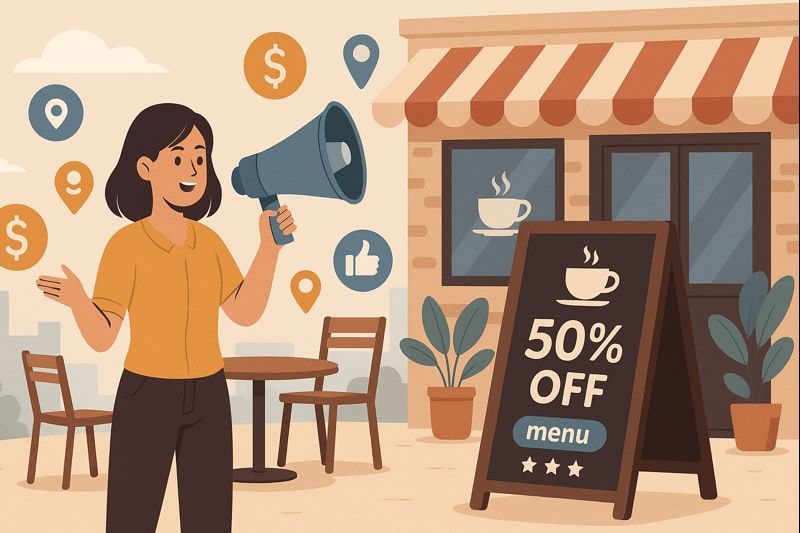
Best Ways to Attract New Customers to Your Cafe
Attracting new customers to your cafe isn’t just about serving good coffee anymore. To attract new customers to your cafe in a competitive market like Delaware, you need a smart mix of branding, local SEO, community partnerships, digital marketing, and an unforgettable in-store experience.
This guide walks through a complete strategy that is friendly for both humans and search engines, with practical steps you can implement right away and future-focused ideas to keep your cafe growing.
Understanding Your Local Cafe Market in Delaware

Before you invest money in marketing, you need to deeply understand the local market around your cafe. This is one of the most important ways to attract new customers to your cafe, because it stops you from guessing and helps you promote exactly what people nearby really want.
Start by looking closely at who lives and works within a 5–10 minute walk or drive. In many Delaware towns and cities, you may have a mix of office workers, students, commuters, and tourists depending on your location.
Each group has different needs and different times they are likely to visit your cafe. Office workers might want fast breakfast, strong coffee, and easy online ordering. Students might look for free Wi-Fi, outlets, and late-night study space. Tourists near the beaches may want seasonal drinks, snacks to go, and photo-worthy spaces.
Another part of understanding your market is mapping nearby businesses and attractions. If you are near office buildings, hospitals, schools, or government buildings, you can tailor your offers and timing to their schedules.
If you are closer to residential neighborhoods, focus more on weekend brunch, family-friendly options, and loyalty programs. This local context is what turns generic marketing into targeted strategies that truly attract new customers to your cafe.
Finally, keep an eye on local economic trends and development projects. New apartments, new office complexes, or a new college building can dramatically change your potential customer base. Follow local news, business associations, and city planning announcements.
Treat market understanding as an ongoing habit, not a one-time task, so you can adjust quickly and stay ahead of competitors.
Analyze Neighborhood Demographics and Foot Traffic
One of the most practical ways to attract new customers to your cafe is to study who is already walking or driving past your doors. Start by monitoring foot traffic at different times of day and different days of the week.
Stand outside for short periods and note how many people pass by, what they look like, and whether they’re alone or in groups. This simple observation can be surprisingly powerful.
Next, use available tools and data sources. Many map platforms and local business tools provide insights into popular times and basic demographic info. You can also talk to nearby businesses—like salons, gyms, or retail shops—to learn when they are busiest and what kind of customers they see.
If you are near a college campus or university, learn about the academic calendar, exam periods, and major campus events that may influence your traffic.
You can also survey your current customers about where they live and work, how they found your cafe, and what made them decide to try it. A short survey with a small incentive, such as a discount on their next drink, can reveal patterns you would never guess on your own.
Once you see clearly who is nearby, you can adjust your signage, promotions, menu, and opening hours to better match their needs.
Over time, this demographic and foot traffic data will guide your decisions about which campaigns to run. For example, if you learn that a lot of people pass by during early mornings but few come in, you can promote “grab-and-go breakfast” signs outside to attract new customers to your cafe during that slot.
If evenings are surprisingly busy outside but quiet inside, you might test an evening dessert and coffee special or a live music night.
Study Competing Cafes and Market Gaps
Another key step to attract new customers to your cafe is understanding what nearby cafes are doing—and what they are not doing. Competitive analysis is not about copying others; it’s about finding your own space.
Visit competing cafes in your area and look at everything as if you were a mystery shopper. Notice their pricing, menu, decor, music, service speed, and the type of customers they attract.
Pay attention to what customers seem to enjoy and what they complain about. You can overhear some of this, and you can also read online reviews. Look for patterns such as “great coffee but slow service,” “very cozy but no parking,” or “nice place but nothing special on the menu.”
Each recurring complaint is an opportunity for your cafe to offer a better solution. Each recurring compliment tells you what local customers value.
You should also look for market gaps. Maybe all the local cafes are focused on traditional coffee but no one is offering specialty cold brew, matcha, or creative non-coffee drinks. Maybe there is no cafe with strong vegan or gluten-free food options.
Maybe there is no true “third place” where people feel comfortable working for a few hours. Filling one or more of these gaps gives you a natural way to attract new customers to your cafe who feel underserved.
Finally, regularly check competitors’ websites, social media , and local listings to see what promotions or events they run. This helps you differentiate your offers and avoid launching something identical at the exact same time.
Over the long term, your goal is not to be just another cafe, but to be the obvious choice for specific needs and experiences that others are not offering.
Building a Strong Cafe Brand That Stands Out

Branding is often the hidden engine behind every successful attempt to attract new customers to your cafe. When people think of your cafe, a certain feeling, style, or story should pop into their minds immediately.
That’s your brand. It goes far beyond a logo or color palette—it includes your values, your mission, your tone of voice, your menu style, and the way your staff talks to guests.
Start by clarifying what your cafe stands for. Are you about artisanal, carefully sourced coffee? A cozy, family-friendly place? A modern, minimalist work hub?
A vibrant community space with art and music? When you clearly define this, everything else becomes easier. Your brand helps you decide how to decorate your space, how to name menu items, how to design your website, and what kind of posts you share on social media.
A strong cafe brand also includes consistency. Customers should feel the same brand personality whether they see your Instagram post, your street sign, or your coffee cup. This consistency makes your cafe more memorable and helps word-of-mouth travel faster.
People are more likely to recommend a cafe that “feels like something” specific. And when your branding is clear and appealing, it naturally helps attract new customers to your cafe who are drawn to that vibe.
Looking ahead, branding will become even more important as more cafes and coffee options appear in delivery apps and online maps. A generic-looking listing risks getting lost among other pins on the map.
A strong brand, with recognizable visuals and a clear promise, will stand out not just on your street but also on screens and search results.
Define Your Unique Value Proposition and Concept
Your unique value proposition (UVP) is the one clear reason someone should choose your cafe instead of any other option. It is one of the most powerful tools to attract new customers to your cafe because it acts like a magnet for the people you most want to serve.
Start by listing everything that makes your cafe different. Do you roast your own beans? Do you specialize in local ingredients? Do you create creative seasonal drinks inspired by local events? Are you especially fast and convenient for busy professionals? Do you offer a quiet space that’s ideal for students?
From that list, choose one or two core ideas that you can consistently deliver and that your market actually wants.
Turn these ideas into a short, clear statement. For example: “A neighborhood cafe serving ethically sourced coffee and fresh baked goods, perfect for remote workers and students,” or “A beachside cafe with creative iced drinks, quick snacks, and a relaxed vibe.”
This statement should guide your decision-making and appear in your online descriptions and marketing messages, even if you don’t always write it word-for-word.
When customers understand your concept quickly, it becomes much easier to attract new customers to your cafe through word-of-mouth.
People can explain you in a sentence: “It’s that cozy spot with great latte art and local pastries,” or “It’s the quiet place where everyone goes to study.” That clarity helps new customers feel confident trying you out because they already know what to expect.
In the future, as consumer tastes continue to evolve, you can refine your UVP without completely reinventing yourself. For example, if sustainability becomes even more important, you can highlight low-waste packaging and local sourcing. Your core concept stays the same, but the details evolve with customer expectations.
Design a Consistent Visual Identity and In-Store Experience
Visual identity is how your cafe looks across every touchpoint. This includes your logo, colors, fonts, decor style, packaging, and even how your drinks and food are presented. A consistent visual identity makes it easier to attract new customers to your cafe because it looks professional, trustworthy, and shareable.
First, choose a simple color palette and stick to it. Use these colors on your signage, menu, website, social media graphics, and coffee cups. Choose one or two easy-to-read fonts and use them consistently. This doesn’t have to be expensive; even a modest cafe can look polished with a clear visual system.
Next, look at your interior design through a guest’s eyes. Ask yourself whether the space matches your concept and whether it is “Instagrammable” in at least a few corners. Many people discover new cafes through social media posts shared by friends.
A unique mural, stylish seating area, or well-arranged pastry display can encourage guests to take photos and accidentally help attract new customers to your cafe without any extra advertising.
Consistency also matters in smaller details: staff uniforms or dress code, menu board design, take-out packaging, and even the style of chairs and tables. When everything fits together, guests feel a sense of care and attention to detail, which they associate with higher quality.
Looking ahead, branded environments will matter even more as customers compare offline experiences with digital ones. Cafes that feel immersive and thoughtfully designed will stand out in a world where many transactions happen through apps and screens.
Your physical space becomes a living advertisement, and your visual identity ties everything together.
Local SEO and Online Visibility for Cafes
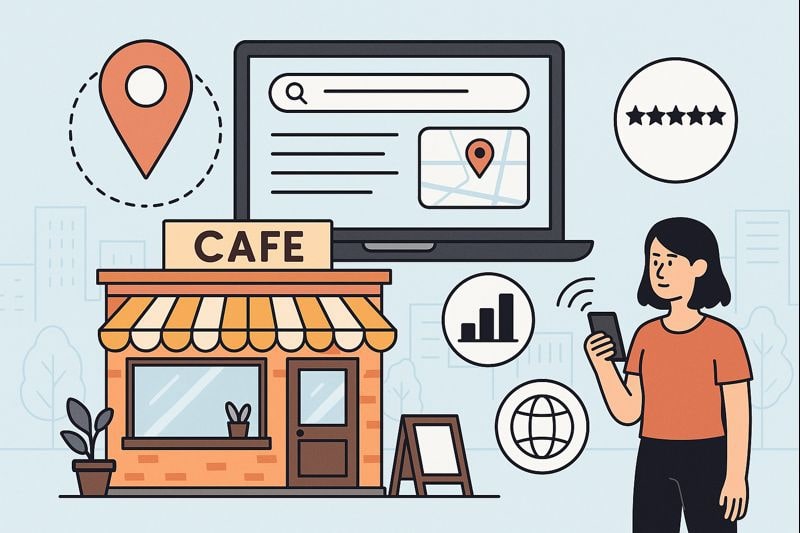
No matter how good your coffee is, you can’t attract new customers to your cafe if they can’t find you online. Local SEO (search engine optimization) is the practice of making sure your cafe appears prominently when people search things like “coffee near me,” “best latte near [city],” or “cafe to study near me.” In Delaware’s towns and cities, these kinds of searches happen all day long, especially on mobile phones.
Local SEO starts with accurate business information everywhere on the web. Your name, address, phone number, opening hours, and website should be consistent across all platforms. Then, you add strong photos, detailed descriptions, and keywords that reflect what people are actually searching for.
Reviews are another huge part of local SEO. The more positive, recent reviews your cafe has, the more likely it is to show up in local search results and map results. Encouraging satisfied customers to leave reviews is one of the simplest ways to attract new customers to your cafe because those reviews act as social proof.
Over the next few years, local SEO will only become more important as voice search, map-based apps, and AI-driven recommendations continue to grow. Investing in local SEO now sets you up to be the default cafe choice for people who ask their phone or car navigation for the closest or best coffee.
Set Up and Optimize Your Google Business Profile
Your Google Business Profile (previously called Google My Business) is possibly the single most important online asset if you want to attract new customers to your cafe. It’s what appears on Google Maps and in the local pack of search results.
First, claim or create your profile. Make sure your business name, address, phone number, and opening hours are accurate. Add your website link and choose the correct categories, such as “Cafe” or “Coffee shop.” These details help search engines understand what you offer and when.
Next, upload high-quality photos. Include images of your storefront, interior, menu items, and staff. People often decide which cafe to try based purely on how inviting the photos look. Update these regularly, especially when you add new menu items or redecorate. You can also post updates directly to your profile about promotions, events, or seasonal drinks.
Reviews are critical here. Ask happy customers to leave a quick review by giving them a short link or QR code at the register. Respond to reviews—both positive and negative—in a friendly, professional way.
This shows that you care and makes your cafe feel more trustworthy. A strong review profile can dramatically attract new customers to your cafe who are comparing options.
As search features evolve, your Google Business Profile will likely support more features like online ordering, reservations, and direct messaging. Keeping your profile active and up to date now ensures you benefit from these tools as they appear, making it easier for customers to take action directly from search results.
Use Local Keywords, Reviews, and Citations
To attract new customers to your cafe via search engines, you need to use the same words your potential customers are typing into search. These are your local keywords. They often combine cafe-related phrases with neighborhood names, city names, or landmarks.
On your website and social media, include phrases like “cafe near [your city],” “best coffee near [landmark],” or “cozy cafe in [neighborhood].” Use them naturally in your homepage text, about page, and blog posts if you write them. Avoid awkward or repetitive keyword stuffing—just place them where they make sense.
Reviews are not just social proof; they also help with keyword relevance. When customers naturally mention your city, neighborhood, or popular menu items in their reviews, it signals to search engines that your cafe is relevant for those topics. That’s another reason to encourage reviews.
Citations are mentions of your cafe’s name, address, and phone number on other websites, such as local directories, chamber of commerce listings, food blogs, and review platforms.
The more consistent citations you have, the more confidence search engines have in your business data. This consistency makes it easier to attract new customers to your cafe through better search visibility.
In the future, AI-driven search results will likely rely on a combination of structured data, reviews, and citations to recommend places. Cafes that have invested in accurate information and community conversation around their brand will stand out in those systems.
Creating a Menu That Attracts New Customers
Your menu is both a product and a marketing tool. A well-designed menu can attract new customers to your cafe by offering items that excite people, photograph well, and match local tastes and trends. It can also encourage existing customers to visit more often and spend more per visit.
Start by balancing familiar favorites with signature items. People like to see classics such as drip coffee, lattes, cappuccinos, and simple pastries. But they also love trying unique drinks and foods they can’t get anywhere else. Signature drinks, house-made syrups, creative flavor combinations, or special breakfast bowls can set you apart.
Menu design matters too. Make it easy to read, with clear sections and straightforward descriptions. Highlight your signature items visually so people notice them. Use small icons or labels for things like vegan, gluten-free, or local ingredients.
A clear, appealing menu makes it easier to attract new customers to your cafe because people feel confident choosing something they will enjoy.
As customer tastes change over time—toward healthier options, plant-based diets, or lower-sugar drinks—you can adjust your menu strategically without abandoning your identity. This flexibility will keep your cafe relevant and attractive to new visitors.
Develop Local and Seasonal Specials
Seasonal and local specials are an excellent way to attract new customers to your cafe because they create urgency and freshness. When people know a drink or dish is available for a limited time, they are more likely to visit soon rather than “someday.”
Use local produce and flavors to inspire your specials. In different seasons, you might highlight fresh fruits, herbs, or regional flavors in your drinks and pastries. You can also create specials tied to local events, festivals, or holidays. This not only gives you marketing material but also shows that your cafe is connected to the community.
Rotate your specials often enough that there is always something new to talk about on social media and in your email newsletters. At the same time, don’t overwhelm customers with too many limited-time items. A small, carefully curated list of seasonal drinks and snacks works better than a long list that’s hard to remember.
Promote your seasonal specials on chalkboard signs, table tents, and digital channels. Encourage customers to share photos of them by making the presentation visually appealing.
Over time, people may start looking forward to your seasonal menu drops, which naturally helps attract new customers to your cafe when they talk about your new offerings with friends.
Looking ahead, data from your POS system can help you see which seasonal items perform best, so you can bring back fan favorites or turn them into permanent menu items. This mix of creativity and data will keep your menu evolving in a smart way.
Offer Dietary-Friendly and Trend-Driven Options
Another smart way to attract new customers to your cafe is to offer menu options that meet modern dietary preferences and trends. Many people now look for dairy alternatives, plant-based foods, gluten-free treats, or lower-sugar options. If your menu doesn’t support these needs, they may walk past your cafe and look for another option.
Start by adding a few high-quality dairy alternatives such as oat milk, almond milk, or soy milk. Offer at least one or two plant-based food items, such as a vegan breakfast sandwich, salad, or pastry.
Consider gluten-free baked goods from a trusted supplier if you cannot produce them in-house safely. Label these items clearly on your menu.
You can also experiment with trend-driven drinks like cold brew variations, matcha lattes, chai drinks, or specialty iced teas. These can be especially attractive to younger customers and social media users. Trendy drinks often photograph well and generate shares, which helps attract new customers to your cafe online.
Be careful not to chase every trend. Instead, choose those that align with your brand and that you can prepare consistently. You want customers to associate your cafe with reliable quality, not random experiments. Over time, track which dietary-friendly and trendy items sell best, and build them into your core menu strategy.
In the future, as more people focus on health and sustainability, cafes that provide thoughtful options will stand out. Offering these items now positions your cafe as modern, inclusive, and customer-focused.
Delivering an Exceptional In-Cafe Experience
The in-cafe experience is where your marketing promises turn into reality. Even if your online campaigns successfully attract new customers to your cafe, the real work is turning those first-time visitors into regulars and vocal fans. That happens through excellent service, ambiance, and consistency.
From the moment a guest approaches your door, they are forming impressions. Is your entrance clean and welcoming? Is the signage clear? Is there a pleasant aroma of coffee and food? Are staff friendly and attentive? These details matter more than most owners realize.
Inside, the environment should match your brand concept. If you want to be a study-friendly cafe, you need enough outlets, stable Wi-Fi, and comfortable seating for longer stays. If you position yourself as a quick-stop coffee bar for commuters, your flow from ordering to pickup should be fast and intuitive.
Music, lighting, cleanliness, and noise levels all influence whether people feel comfortable. When the in-cafe experience is positive, customers naturally come back, bring friends, and post about you. That ongoing word-of-mouth becomes one of the strongest ways to attract new customers to your cafe without constant advertising.
Train Staff for Hospitality and Upselling
Your staff are the living face of your brand. Their attitude and skills can dramatically help or hurt your efforts to attract new customers to your cafe. Invest time in training them not only in drink preparation but also in hospitality, communication, and gentle upselling.
Hospitality starts with simple behaviors: greeting customers promptly, making eye contact, and using friendly language. Train staff to ask open-ended questions like “How’s your day going?” or “Have you tried our new seasonal drink yet?” These small touches make guests feel noticed and appreciated.
Upselling, done well, is not pushy. It’s about suggesting options that genuinely enhance the customer’s experience. For example, staff can suggest a pastry that pairs well with a coffee choice, or offer to make a drink iced on a hot day.
This increases average ticket size and also helps guests discover more of your menu. Over time, this may attract new customers to your cafe because people associate your cafe with great recommendations and satisfying visits.
Create clear training materials and run periodic refreshers. Encourage staff to taste menu items so they can describe them confidently. Recognize and reward team members who provide excellent service and get positive mentions in reviews.
In the future, as automation and self-service technologies grow, cafes that maintain strong human hospitality will have a special advantage.
Design a Comfortable Space for Work and Socializing
Comfort is a major reason people choose one cafe over another. If you want to attract new customers to your cafe who plan to stay longer—such as students, remote workers, or friends catching up—you need to design your space with them in mind.
Start with seating variety. Offer a mix of small tables for solo guests, larger tables for groups, and possibly a bar-style counter for quick visits. Make sure chairs are reasonably comfortable for at least an hour or two. Add some soft touches like plants, art, or warm lighting to make the space feel inviting rather than sterile.
Wi-Fi and outlets are basic expectations now. Display your Wi-Fi network and password clearly, and test your internet speed regularly. Place outlets along walls or near tables when possible. Many people choose a cafe based on whether they can charge their devices, so this aspect alone can attract new customers to your cafe who plan to work or study.
Noise management is also important. If your cafe gets very noisy, consider adding soft furnishings, rugs, or acoustic panels to reduce echo. Choose a music playlist that fits your brand but doesn’t overwhelm conversation. The goal is a comfortable hum of activity.
In the future, flexible space design will likely become even more valuable. You might experiment with reservable tables, dedicated quiet zones, or small private meeting tables for local professionals. Cafes that adapt their layouts to different customer needs will stand out in the local market.
Marketing Campaigns, Promotions, and Partnerships
Strategic marketing campaigns turn your everyday operations into attention-grabbing events. Used well, promotions and partnerships can attract new customers to your cafe without permanently lowering your prices or damaging your brand. The key is to be intentional, track results, and align campaigns with your overall positioning.
Promotions can include discounts, bundle deals, happy hour pricing, or special offers for specific groups such as students, healthcare workers, or teachers. Partnerships involve collaborating with other local businesses, influencers, or community organizations. Both approaches help you reach new audiences who might not discover you on their own.
The most effective campaigns are time-bound and clearly communicated across all channels: in-store signs, website, email, and social media. Consistent messaging helps people understand the value quickly and take action.
Run Smart Promotions and Loyalty Programs
Promotions are a classic way to attract new customers to your cafe, but they must be designed carefully. Deep discounts may bring people in once but fail to create long-term loyalty. Instead, think of promotions as a way to give people a reason to try you—and then use your quality and service to keep them coming back.
For new customers, consider a “first visit” offer, such as a discount on one drink when they join your email list or loyalty program. You can also offer a small perk like a free flavor shot or pastry upgrade. This creates a good first impression and gives you permission to continue marketing to them directly.
Loyalty programs are essential for turning occasional visitors into regulars. You can use a digital loyalty app, a simple punch card, or an integrated system with your POS. Offer rewards that are genuine and appealing, such as a free drink after a certain number of purchases or a birthday reward.
Highlight your loyalty program in-store and online so people know about it. Over time, a strong loyalty system helps attract new customers to your cafe through word-of-mouth as members tell friends about the benefits.
Test temporary promotions such as “happy hour” discounts during slow times or bundle deals like “coffee + pastry” combos in the morning. Track which ones increase sales and repeat visits so you can keep the successful ones and drop the rest.
In the future, loyalty programs may become more personalized, with offers based on each customer’s purchase history. Cafes that start building these data-driven relationships now will have a competitive advantage.
Partner with Local Businesses, Events, and Influencers
Partnerships allow you to tap into someone else’s audience and attract new customers to your cafe beyond your existing reach. Look for businesses and organizations whose audiences are a good match for your ideal customers. These might include gyms, bookstores, co-working spaces, local offices, colleges, or arts organizations.
You could provide coffee for a local event in exchange for promotion in their materials and on social media. You might offer discounts to employees of nearby offices or collaborate on a co-branded drink with another local brand. You could host pop-up events featuring local bakers, artists, or makers who promote the event to their followers.
Influencer marketing can also be effective on a local level. Instead of big national influencers, focus on local content creators, food bloggers, or community leaders with engaged audiences.
Invite them to try your cafe, perhaps for a soft opening or tasting event, and encourage them to share honest content. Even a few well-timed posts can help attract new customers to your cafe who trust these recommendations.
In the future, expect more integrated collaborations where cafes become regular partners with community organizations, providing space, catering, or co-designed events. By positioning your cafe as an active, supportive member of the community, you build goodwill and long-term visibility that goes far beyond traditional advertising.
Future-Proofing Your Cafe Marketing Strategy
The way customers discover and choose cafes is changing quickly. To consistently attract new customers to your cafe, you must look ahead and prepare for new technologies, new consumer expectations, and new competitive pressures.
Future-proofing your strategy doesn’t mean predicting everything perfectly—it means building flexible systems that allow you to adapt.
Digital channels will continue to grow in importance, from delivery apps and mobile ordering to AI-generated recommendations and voice search. At the same time, customers will still crave real-world experiences and human connection. The cafes that thrive will be those that combine strong digital presence with authentic in-person hospitality.
Data will also play a bigger role. Understanding who visits your cafe, what they buy, and how often they return allows you to make smarter decisions about menu development, pricing, staffing, and marketing campaigns.
Embrace Technology: Online Ordering, Apps, and Automation
Technology can dramatically increase convenience and help attract new customers to your cafe who might otherwise go somewhere faster or more digital. Online ordering, mobile payment, and integration with delivery platforms make it easy for busy people to choose you.
If possible, offer a simple online ordering system on your website or through a dedicated app. Allow customers to schedule pickups, customize drinks, and save favorite orders. Make sure the process is smooth and mobile-friendly, since most people will use their phones.
Consider joining one or more delivery platforms if your location and margins support it. While fees can be high, delivery can introduce your cafe to new customers who may later visit in person. Negotiate terms carefully and keep an eye on profitability.
Inside the cafe, small automations such as digital menu boards, order kiosks, or self-serve water stations can improve flow and free staff to focus more on hospitality.
Used wisely, technology supports your brand rather than replacing it. Over time, these tools will help you attract new customers to your cafe by making the experience more convenient and modern.
Use Data and Feedback to Continuously Improve
Data and customer feedback are your guides to better decisions. Instead of guessing which campaigns or menu items work, you can look at actual numbers and comments. This makes it easier to attract new customers to your cafe and keep them coming back.
Start with simple metrics: daily and hourly sales, average ticket size, best-selling items, and most popular visit days. Look at trends over weeks and months to see what’s growing or shrinking. Use this information to adjust staffing levels, menu offerings, and promotion timing.
Feedback comes from reviews, social media comments, suggestion cards, and everyday conversations. Encourage customers to share their thoughts and make it easy for them to do so. When multiple people mention the same issue, treat it as a priority to fix. When people praise something, think about how you can emphasize it more.
Over time, consider segmenting your customer base—such as regulars, occasional visitors, students, or office workers—and tailoring communications to each group. Personalized emails or app notifications with relevant offers can attract new customers to your cafe by turning one-time visitors into loyal fans.
In the future, as AI and advanced analytics become more accessible, even small cafes will be able to predict busy periods, recommend menu items, and optimize pricing. Cafes that build a culture of using data and feedback now will be best positioned to adopt these tools later.
FAQs
Q.1: How long does it take to attract new customers to a cafe?
Answer: The timeline to attract new customers to your cafe depends on your starting point, location, and marketing efforts. Some tactics, like putting up clear signage, optimizing your Google Business Profile, and running a targeted promotion, can bring in fresh faces within days or weeks.
Others, like building a strong brand, growing your review count, and forming community partnerships, take months but create much deeper and longer-lasting results.
If you are opening a brand-new cafe, expect a ramp-up period of several months. Initial curiosity and walk-in traffic are helpful, but your real growth will come from repeat visits and referrals.
Focus on delivering an excellent experience to every guest from day one. When early visitors feel impressed, they will naturally help attract new customers to your cafe through word-of-mouth and online reviews.
For existing cafes that are rebranding or refreshing their strategy, you might see noticeable changes in 30–90 days if you consistently improve your online presence, update your menu, and run smart campaigns.
Track your progress by measuring new customer counts, average daily transactions, and review volume. Over time, your goal is steady, compounding growth rather than quick spikes followed by drops.
Q.2: What budget should I set to attract new customers to my cafe?
Answer: There is no single perfect budget, but it’s wise to treat marketing as an essential operating expense rather than an optional extra. A common approach is to allocate a small percentage of your monthly revenue—often 3–7%—to marketing activities that attract new customers to your cafe and retain current ones.
Start by investing in essentials with high impact and low cost: a professional-looking website, high-quality signage, a well-optimized Google Business Profile, and consistent social media content.
These can often be managed with modest spending and some time investment. Then, reserve part of your budget for targeted paid ads, such as promoting local posts or running limited-time offers on social platforms.
Don’t forget non-digital expenses like printed materials, loyalty cards, and community sponsorships. Track the results of each activity so you understand which ones truly help attract new customers to your cafe.
For example, if you sponsor a local event, measure any surge in traffic or new email signups afterward. Over time, shift more of your budget toward the channels that deliver consistent returns.
Q.3: How can a new cafe compete with established chains?
Answer: Competing with big chains can feel intimidating, but independent cafes have real advantages when trying to attract new customers to your cafe. Large chains are consistent but often generic. You can win by being more personal, more local, and more creative.
First, focus on your unique value proposition. Offer something they don’t: local flavors, closer community ties, friendlier service, or a more comfortable environment. Tell your story—why you started the cafe, how you source your coffee, and what you care about. Customers often prefer supporting businesses that feel human and genuine.
Second, use your agility. Chains may take months to change a menu or launch a new campaign. You can test new drinks, events, or promotions quickly. Pay attention to what your guests respond to and double down on successful ideas.
Use social media to show behind-the-scenes moments, staff personalities, and real-time updates. This transparency helps attract new customers to your cafe who are tired of corporate sameness.
Finally, build strong local partnerships and loyalty programs. Chains rarely integrate deeply into the community beyond national campaigns. By hosting local events, supporting nearby organizations, and rewarding regulars, you create an emotional connection that big brands can’t easily match.
Q.4: What is the single best way to attract new customers to a cafe?
Answer: There is no magic single tactic, but if you had to pick one principle, it would be this: deliver such a strong, consistent customer experience that every guest wants to tell someone else. This principle combines great products, friendly service, and a memorable atmosphere to attract new customers to your cafe naturally over time.
To bring that principle to life, you still need supporting tactics: solid local SEO so people can find you, an appealing menu with signature items, a clean and welcoming space, and active communication through social media and email. Each first-time visitor arrives through some combination of these efforts.
When people feel welcomed, enjoy their order, and find the environment pleasant, they are far more likely to leave positive reviews, share photos, and recommend you. This word-of-mouth effect is powerful and compounding.
In the long run, advertising can drive awareness, but consistent excellence in the basics is what truly attracts new customers to your cafe and turns them into loyal fans.
Conclusion
Attracting new customers to your cafe is not about one-off tricks or constant discounts. It’s about building a system in which awareness, experience, and loyalty support each other. You use branding, local SEO, and community partnerships to attract new customers to your cafe.
Then you use an excellent menu, warm hospitality, and a comfortable space to turn those visitors into repeat guests. Finally, you use data, feedback, and modern tools to keep improving and adapting.
In Delaware’s growing and diverse communities, cafes that understand their local market and stay involved in neighborhood life will stand out. By combining traditional hospitality with modern digital tools—online ordering, social media, review management, and targeted offers—you can reach people wherever they are and give them compelling reasons to walk through your door.
As the future brings new technologies and changing tastes, the cafes that thrive will be those that remain flexible and genuinely customer-centric.
If you stay curious, keep listening to your guests, and refine your strategy over time, you’ll not only attract new customers to your cafe—you’ll build a beloved local institution that people are proud to recommend.